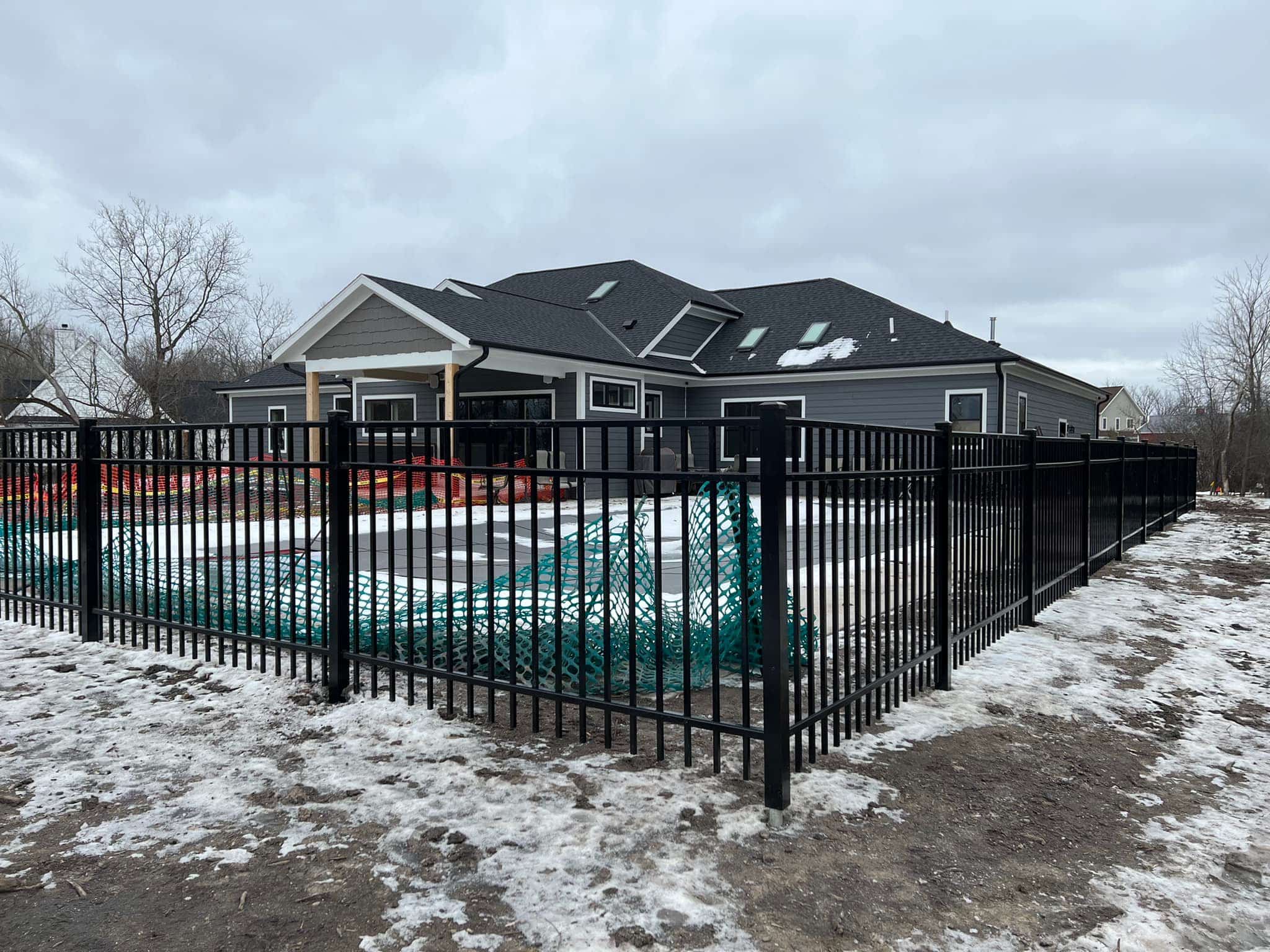
The short answer is Yes! You can install a fence in the winter.
Ultimately, whether or not you can install a fence in the winter will depend on various factors, including the type of materials used, the installation process, and your climate. However, with careful planning and attention to detail, it is possible to have a beautiful new fence installed even when the ground is frozen.
Located in Wisconsin and Minnesota, A to Z Quality Fencing is an expert at installing fences in cold weather conditions. We’ve designed fence materials and an installation process that works year-round!
This article will discuss what you need to know about installing fencing during winter, whether you’re doing it yourself or hiring someone to install it.
Is it cheaper to install a fence in the winter?
First, let’s address the cost of installing a fence in the winter. The price of a fence depends upon the following:
- Availability and price of materials
- Resources needed for installation
Availability and price of materials
During the winter, fewer people install fences. As a result, demand for materials is less, so, depending on the economy, material prices may (or may not) be lower during colder temperatures.
A to Z Fence Supplies manufactures our high-quality fence materials at competitive prices no matter the time of year!
Resources needed to install the fence impact price.
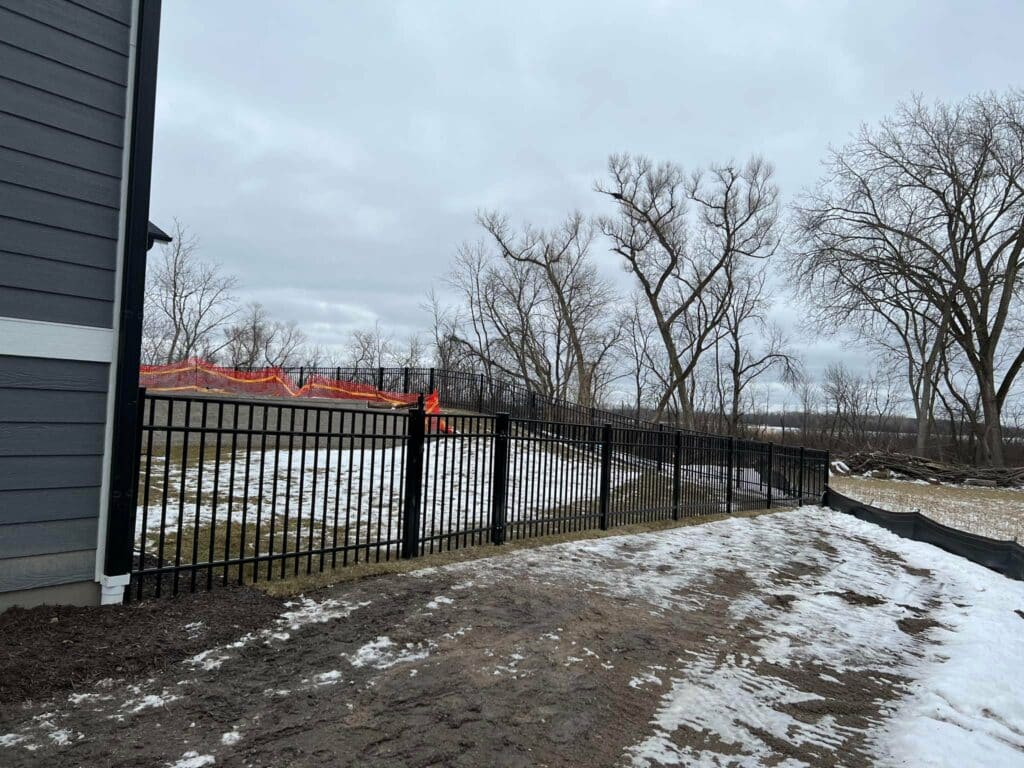
During the winter, additional resources may be needed to thaw the ground, dig holes, protect fence materials, clear snow, and more. In addition, installation may take longer, depending on the method used for setting posts. Both of these factors can influence the final cost of a fence.
We developed an innovative fence installation method and manufactured our materials at A to Z Quality Fencing. Hence, very few extra resources are needed to make fence installation go smoothly during the winter.
What factors are necessary to consider before installing a fence in the winter?
Before installing a fence in the winter, it is crucial to consider the method used for setting the fence posts into the earth. It can be difficult to dig holes and place the posts securely in the ground in cold weather conditions. In addition, factors such as soil type, windy conditions, and precipitation can also impact how well a fence post securely sets into the ground.
It may be necessary to take additional steps to ensure that your fence posts are correctly set and secured with traditional fence installation methods. Such as using a pre-fabricated fencing base, pouring concrete or other materials into the holes to secure the posts, or waiting for warmer weather before installing your fence.
At A to Z Quality Fencing, we pound galvanized steel posts into the ground using a pounder that cuts through the frozen ground without issues. We then slide an aluminum, vinyl, or wood post sleeve over the top. As a result, the post is immediately secure, installed below the frost line, and there is no mess to clean up in the spring. In addition, there is no risk of failure because no holes are dug, and no filler materials that may fail in colder temperatures are used.
What materials and techniques should you use when installing a fence in the winter?
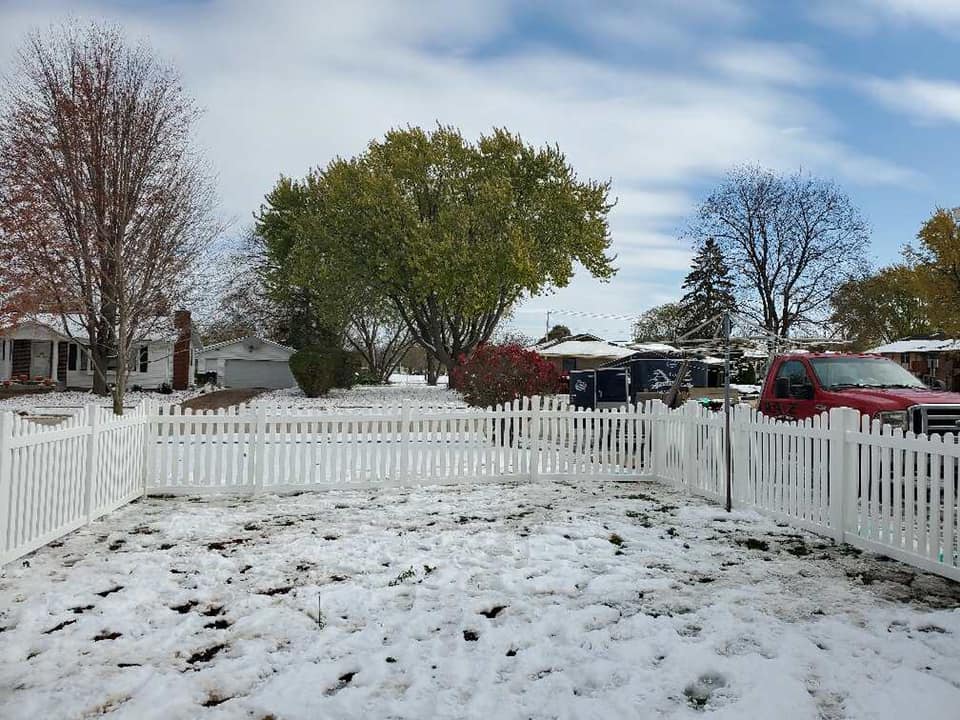
When installing a fence in the winter, it is essential to consider fence materials and techniques that can withstand cold weather conditions.
Aluminum and vinyl fences are popular for homeowners and businesses alike because of their weather resistance and easy maintenance. These materials can withstand the elements, making them ideal for colder temperatures or inclement weather. Additionally, they require little to no upkeep, so you don’t have to worry about spending time or resources after installation or keeping your fence in good condition over time.
Our recommended installation method pounds galvanized steel posts into the ground with a special pneumatic post pounder. This method is perfect for cold weather conditions, as the posts can easily cut through the frozen ground without issues. In addition, the galvanized steel posts are pounded below the frost line, preventing any future issues with heaving during freeze thaw cycles.
After installing the galvanized steel posts, we put an aluminum or vinyl fence post sleeve over the top to provide a finished look. We then assemble the remaining fence sections as usual. Our unique installation method ensures a strong, sturdy fence without needing messy or potentially-failure-prone filler materials.
Who can you turn to for help installing a fence in the winter, and what tips can they offer?
A to Z Quality Fencing will happily work with you on your winter fence installation! Suppose you’d like to do it yourself or are a fence contractor. In that case, A to Z Fence Supplies rents or sells installation equipment and fence materials for year-round installations.
Here are a few tips on installing a fence in winter:
- If doing it yourself and using standard fence post installation (digging holes and adding filler materials), wait until the spring.
- Clear snow by shoveling. If comfortable, use a heat gun or blowtorch to melt the snow in your path.
- Keep your fence posts level and plumb at all times to reduce stress on the posts and help prevent cracking or bending.
- Plan your work accordingly and allow extra time for installation. Try to schedule your installation when the weather is good for the entire duration. Avoid heavy winds, snowfall, or extreme temperatures for personal safety and potentially damaging partially installed fence materials.
- Keep an eye on the forecast for heavy wind or precipitation that may affect the stability of your fence, and avoid installation during that time.
- Always wear appropriate clothing and personal protective gear when working in cold weather, especially if exposed to wind or precipitation. Proper protection is needed to help protect your skin from frostbite and keep you safe during the workday.
What do I need to do to prepare for a winter fence installation?
You need to clear snow before installing your fence if snow is on the ground. Snow removal may be accomplished by shoveling or melting it with a heat gun or blowtorch. When contracting with A to Z Quality Fencing, if you prefer, we will clear the snow before installing your fence for a small fee.
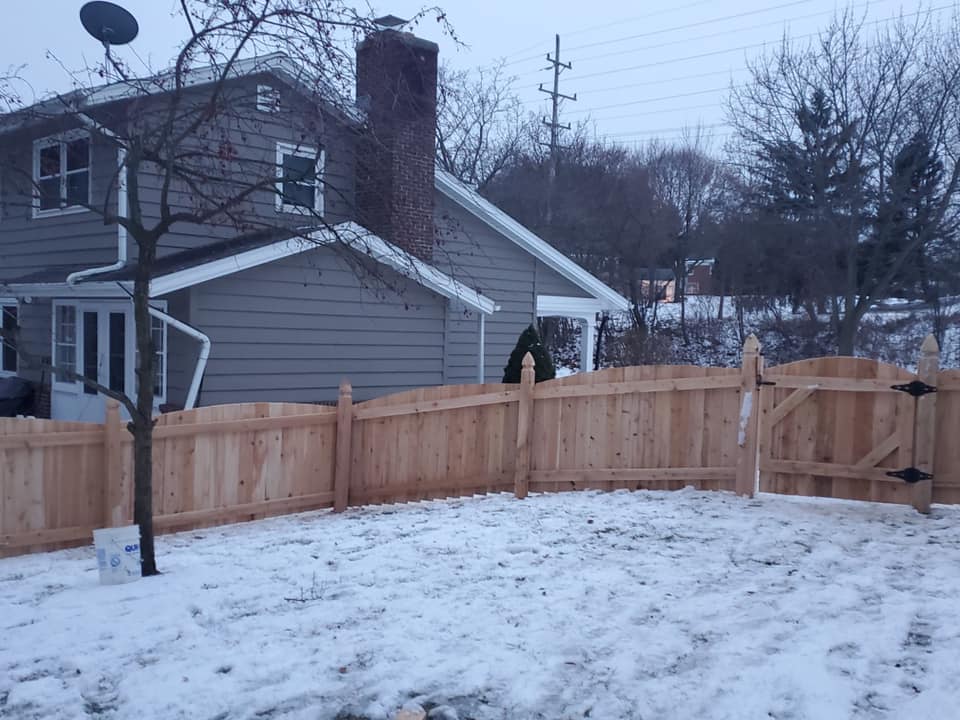
When installing a fence in the winter, it is important to consider your options carefully and take necessary precautions to ensure that your fence remains secure and durable. Whether you are a homeowner, DIYer, or contractor looking for reliable materials, equipment, or installation, we have the resources to help you successfully navigate the process. So why wait? Take advantage of our expertise and experience in all things fencing! Get started today with a free quote from A to Z Quality Fencing.